
Loading…
Tradition
The forest lineage of Ajahn Mun and Ajahn Chah: breath meditation with Buddho, walking paths, and guest stays at monasteries in Thailand and the West.
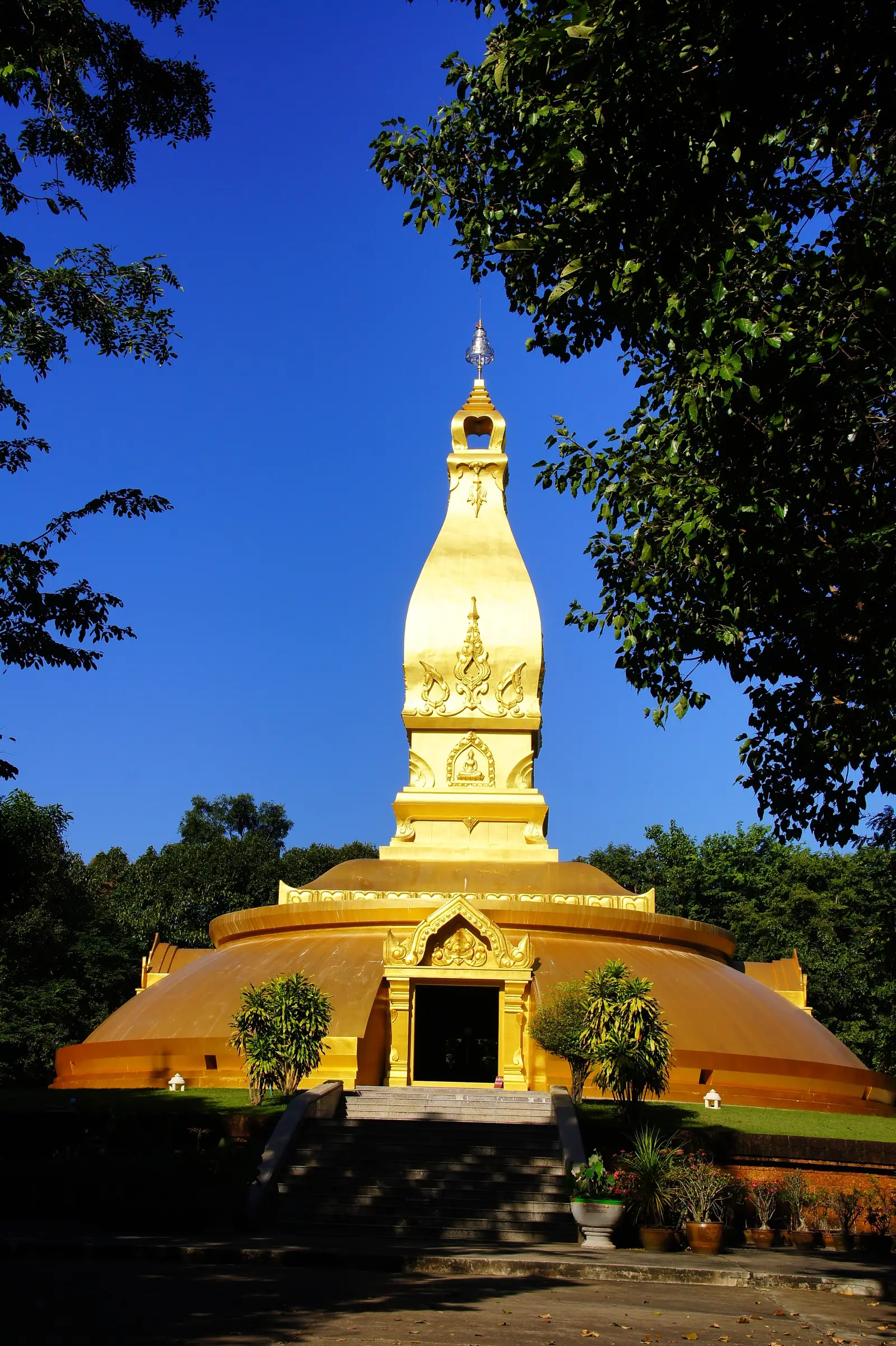
The Thai Forest tradition is a lineage of Theravāda monks who live and meditate in forest monasteries and keep the monastic rule closely. Its modern form goes back to Ajahn Mun and his teacher Ajahn Sao in north-east Thailand, and through Ajahn Chah it has spread to monasteries in Europe, North America, Australia and New Zealand. It is less a meditation technique than a way of life: what it mostly offers lay people is the chance to stay at a monastery and share its routine.
Ajahn Mun Bhūridatta was born in 1870 in Ubon province, near the borders of Laos and Cambodia, and ordained in 1893. He wandered through Thailand, Burma and Laos, living mostly in the forest. With his teacher Ajahn Sao Kantasīlo (1861–1941), he established the forest meditation, or Kammaṭṭhāna, tradition that later spread through Thailand and abroad. He died in 1949 at Wat Suddhavasa in Sakon Nakhon. The Forest Sangha writes that almost all the accomplished and revered meditation masters of twentieth-century Thailand were his direct disciples or influenced by him. More: Ajahn Mun.
The Forest Sangha also notes that forest practice itself began in the Buddha's time and has waxed and waned through Buddhist history.
Ajahn Chah was born on 17 June 1918 in a village near Ubon Ratchathani and received full ordination as a monk on 26 April 1939. In 1946 he gave up his studies, and he went on to learn from Ajahn Mun. In 1954, after years of wandering, he settled in a forest called Pah Pong near his home village. This became Wat Nong Pah Pong, the first monastery of his tradition; his memorial chedi, shown above, stands there.
In 1967 an American monk, Ajahn Sumedho, came to stay. In 1975 Sumedho and a few Western monks began living in a forest nearby, and Wat Pah Nanachat, the International Forest Monastery, was founded as a training monastery for Westerners. Ajahn Chah visited Britain in 1977 at the invitation of the English Sangha Trust, and Chithurst, the first of the European branch monasteries, began in 1979. He died in January 1992.
Forest monks keep the Vinaya, the monastic discipline. The Forest Sangha describes it as 227 rules, including total celibacy, eating only between dawn and noon, and not handling money. Monks often go on tudong (Thai), wandering on foot on pilgrimage or in search of solitary places. Lay people provide the monks' material needs, such as almsfood and cloth for robes, and the monasteries are organised around the practice of insight. For the place of ethical conduct (sīla) in the path, see the three trainings.
Breath meditation is one of the main practices. In his talk "On Meditation", Ajahn Chah warns against forcing the breath to be long or short. He describes noticing the breath at three points (the nose-tip, the chest and the abdomen) and then, once attention has settled, letting those go and noting the breath only at the nose-tip or upper lip.
Some forest teachers pair the breath with the word "Buddho". In Ajahn Lee Dhammadharo's breath manual, translated by Thanissaro Bhikkhu, one method begins with three or seven long breaths, thinking "bud-" on the in-breath and "dho" on the out-breath, with the syllable as long as the breath. More on breath practice: Anapana.
In forest monasteries walking is given as much weight as sitting. Ajahn Nyanadhammo's booklet Walking Meditation, published by Wat Pah Nanachat, gives the practical details:
Walking complements sitting: the same object can be developed in a different posture. The booklet also suggests loving-kindness (mettā) and the recollection of one's own generosity and virtue as walking subjects. See walking meditation and Mettā.
Forest teachers generally develop calm (samatha) and insight together, and value deep concentration. Thanissaro Bhikkhu, who translated Ajahn Lee, argues in the essay "One Tool Among Many" that samatha and vipassanā are not separate paths of practice but complementary qualities of mind. Other traditions, such as Mahasi noting, rely on momentary concentration instead; see samatha and vipassanā.
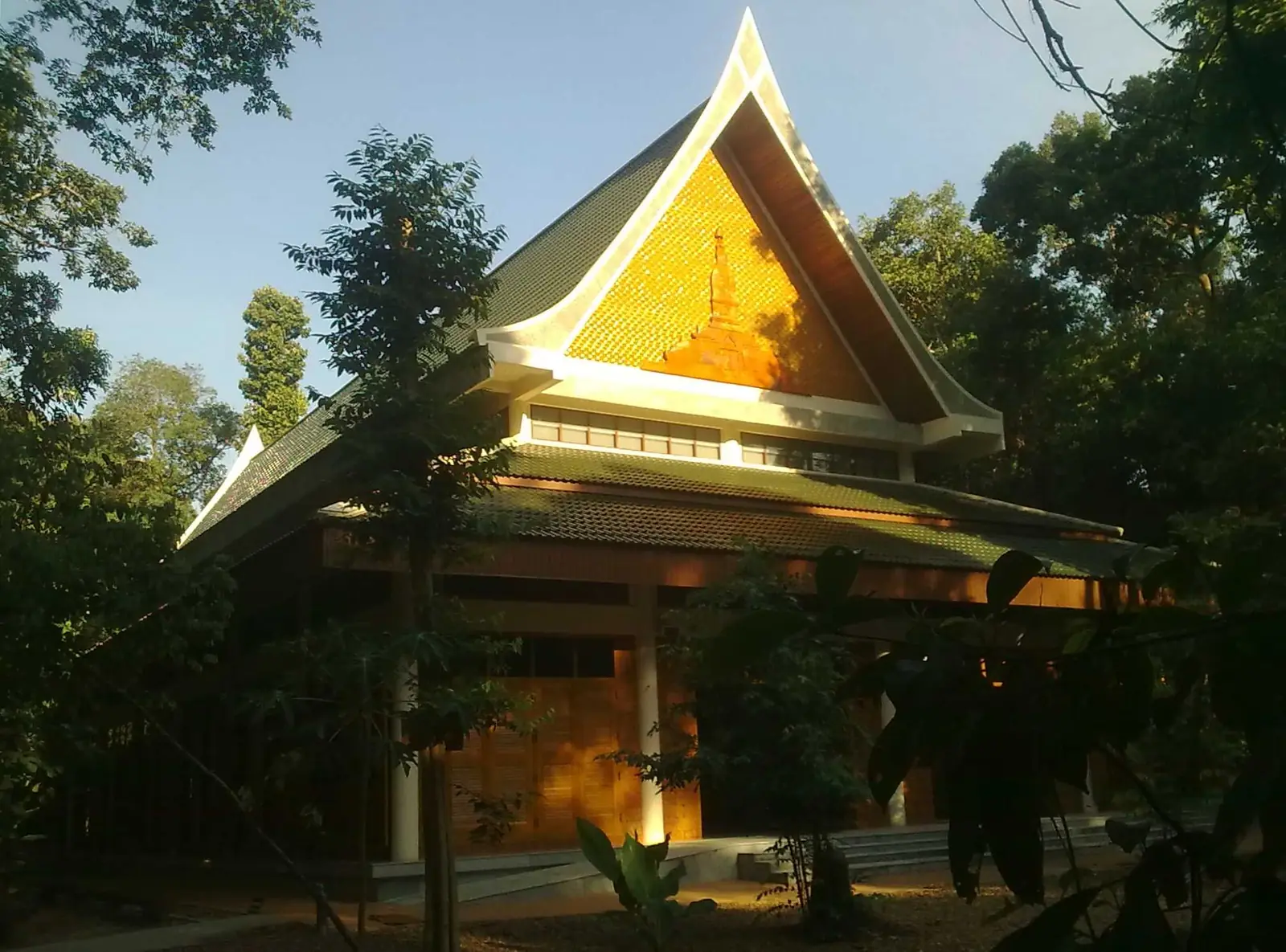
Wat Pah Nanachat, about 15 km from Ubon Ratchathani, trains English-speaking people in forest monastic life and receives lay guests. It says plainly that it does not offer private meditation teaching, retreats or courses, but a chance to experience the challenging lifestyle of a traditional forest monk. Its visitor information, as of 2026:
Women are generally welcome as guests, but there is no resident woman teacher.
The Forest Sangha lists branch monasteries of Ajahn Chah's tradition in England, France, Australia, New Zealand, Switzerland, Italy, Canada and the United States. Among them:
Other centres are listed under Thailand, the United Kingdom, the United States and Australia.
On 22 October 2009, four women were given full ordination as bhikkhunī (nuns) in Perth, Western Australia, with the involvement of Ajahn Brahm, abbot of Bodhinyana Monastery. The senior monks of Wat Pah Pong then removed Ajahn Brahm from communion with the Ajahn Chah Sangha, and Bodhinyana was delisted as a branch of Wat Nong Pah Pong.
The two sides saw it differently. In a letter of November 2009, Ajahn Chandako gave the senior monks' reasons: Thai law, he wrote, forbids bhikkhunī ordination without the consent of the Great Council of Elders, and the ordination went ahead without consulting other senior monks and nuns. Supporters, writing in Lion's Roar under the title "The Time Has Come", described it as the first full bhikkhunī ordination in the Forest Sangha of Ajahn Chah. Bodhinyana, begun in 1983, has been outside the Wat Pah Pong network since then.
The Forest Sangha website, forestsangha.org, is the portal to the monasteries in the Wat Pah Pong network, with contact details for each.
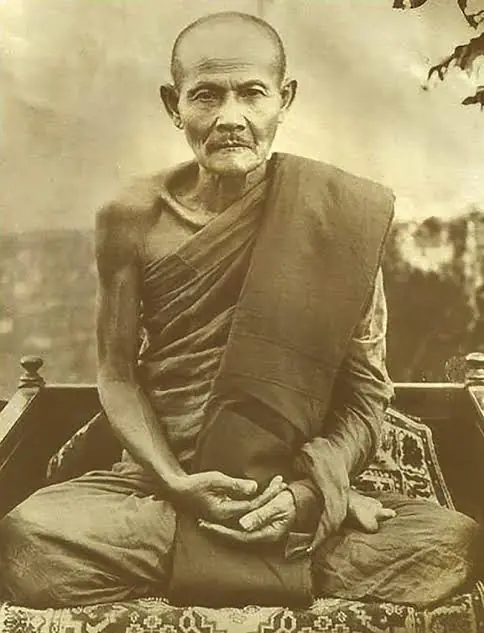
1870–1949 · Thailand
Wandering Thai monk who, with his teacher Ajahn Sao, established the Thai Forest (Kammatthana) tradition
1918–1992 · Thailand
Thai forest master whose plain teaching and Western disciples carried the Forest tradition abroad
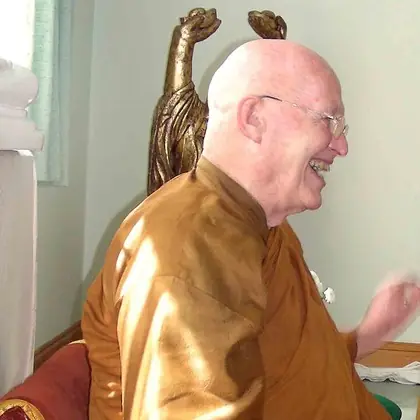
b. 1934 · United Kingdom
American-born disciple of Ajahn Chah and founding abbot of Cittaviveka and Amaravati monasteries in England
6 centres in 4 countries. Always check dates and rules on the centre’s own site.
Redwood Valley, California, United States · Abhayagiri Monastery
Great Gaddesden, Hertfordshire, England, United Kingdom · Amaravati
Serpentine, Western Australia, Australia · Bodhinyana Buddhist Monastery
Chithurst, near Petersfield, West Sussex, England (postal county: Hampshire), United Kingdom · Chithurst Buddhist Monastery
Non Phueng, Warin Chamrap, Ubon Ratchathani, Thailand · Wat Pah Pong
Bung Wai, Warin Chamrap, Ubon Ratchathani, Thailand · The International Forest Monastery