
Loading…
Tradition
The Western insight meditation centres (IMS, Spirit Rock, Gaia House): lay teachers, roots in Mahasi, U Ba Khin and Thai Forest, and fees plus dāna.
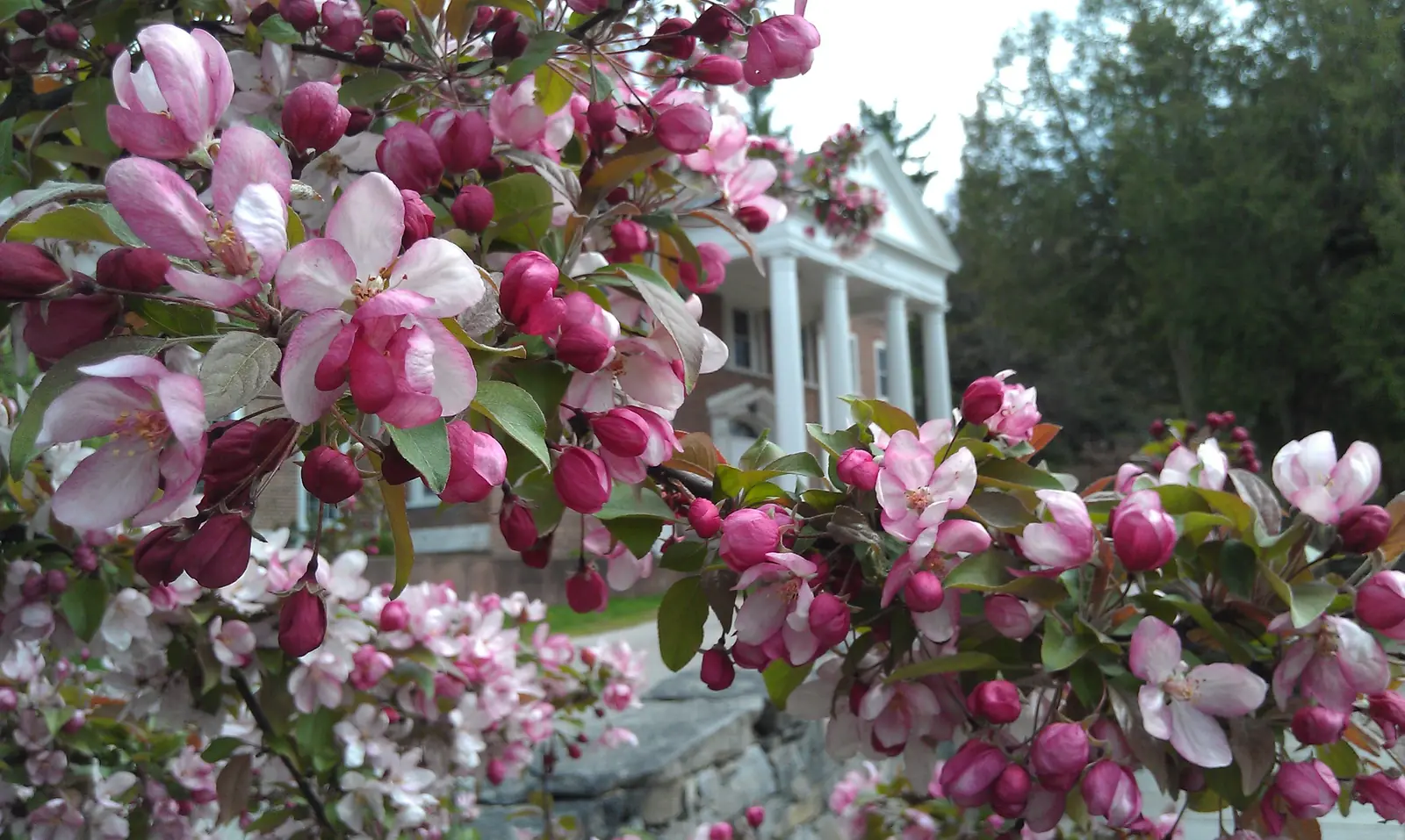
"Insight Meditation" is the name taken by a Western movement of lay teachers and retreat centres that teach vipassanā outside a single Asian lineage. Its best-known centres are the Insight Meditation Society (IMS) in Massachusetts, Spirit Rock in California and Gaia House in England. Their founders studied in India and Southeast Asia and brought back methods from several lineages. Spirit Rock calls the practice "one of many reinventions in Buddhist history", and the way it is practised today "a modern creation".
In 1975, according to IMS, three young teachers, Joseph Goldstein, Sharon Salzberg and Jack Kornfield, decided to start a retreat centre. With funds from friends and supporters they bought a former Catholic novitiate in Barre, Massachusetts, for $150,000, and the centre opened on 14 February 1976.
Sources differ on who counts as a founder. IMS's history page names those three. Spirit Rock's lineage page names a fourth co-founder, Jacqueline Schwartz, and also records that in 1979 Mahasi Sayadaw, on a visit to IMS, gave teaching authorisation to four American students: Salzberg, Goldstein, Kornfield and Jacqueline Mandell.
Other centres followed:
Spirit Rock's lineage page sets out the mix plainly. The main technique the IMS founders brought back was the Mahasi method, which uses continuous mental noting to support "momentary concentration". It reached them through Sayadaw U Pandita, Anagarika Munindra and Munindra's student Dipa Ma, all of whom taught at IMS. See Mahasi noting.
From the line of Sayagyi U Ba Khin, who formalised the technique of sweeping attention through the body, came two influences: S. N. Goenka, an important teacher for Goldstein and Salzberg, and Ruth Denison (1922–2015), U Ba Khin's most prominent Western student, who taught at IMS and Spirit Rock.
The third root is Thai. Ajahn Chah was Kornfield's root teacher, and Spirit Rock describes its practice as particularly influenced by the Thai Forest style. More recent influences it names are Pa-Auk Sayadaw and Sayadaw U Tejaniya. Gaia House adds Zen to insight and loving-kindness practice.
The mixing is deliberate, and it is one of the clearest differences from S. N. Goenka's tradition, whose Code of Discipline asks students to suspend all other meditation techniques during a course so that the method can be tried in its pure form.
IMS's history page lists many Asian teachers it has hosted, among them Mahasi Sayadaw, U Pandita, Munindra, Dipa Ma, Ajahn Chah and Bhante Gunaratana.
There is no single fixed method: instructions vary by teacher and retreat. Spirit Rock names the four foundations of mindfulness as the sequence of practice (see the four foundations of mindfulness). An introduction by Jack Kornfield and Gil Fronsdal, published by Spirit Rock, starts with feeling the in-and-out breathing; when thoughts carry the attention away, the meditator names what happened softly and returns to the breath. Loving-kindness (mettā) sits alongside insight practice at all three centres.
Spirit Rock calls the Mahasi method, with its momentary concentration, the foundational approach of its lineage. Practice still varies by teacher, and Spirit Rock also counts Pa-Auk Sayadaw, whose method builds jhāna first, among its influences. See samatha and vipassanā for that question.
At the IMS Retreat Center, retreats last from a weekend to three months. A typical day runs from 5:30 am to 10 pm in silence, alternating sitting and walking meditation, with a one-hour work period and group or individual interviews with the teachers. Meals are vegetarian and rooms are simple singles. IMS says most retreats are designed for both new and experienced meditators.
Spirit Rock holds silent residential retreats of one day to two months, as well as drop-in groups and online courses, and says most programmes suit both beginners and experienced students. Gaia House runs weekend and week-long group retreats, and also takes solitary and work retreatants.
The Forest Refuge is for experienced meditators only. It asks for at least one six-week teacher-led insight retreat, or six similar one-week retreats, and stays run from seven nights to a year or more.
These centres charge for board and lodging and keep the teaching itself on a gift basis (dāna):
This model differs from S. N. Goenka's courses, which charge nothing and accept donations only from people who have finished a course. Both models are described here as their organisations publish them.
Spirit Rock's introduction notes that insight meditation is often called mindfulness meditation. One documented link to the secular programmes runs through IMS: Jon Kabat-Zinn developed Mindfulness-Based Stress Reduction (MBSR) at UMass Memorial Medical Center in 1979, and IMS's history page quotes him saying the vision for MBSR came to him one afternoon while he was sitting in his room at IMS.
The main centres are the IMS Retreat Center, the Forest Refuge and the Barre Center for Buddhist Studies in Barre, Spirit Rock in California and Gaia House in Devon. More centres are listed under United States and United Kingdom.
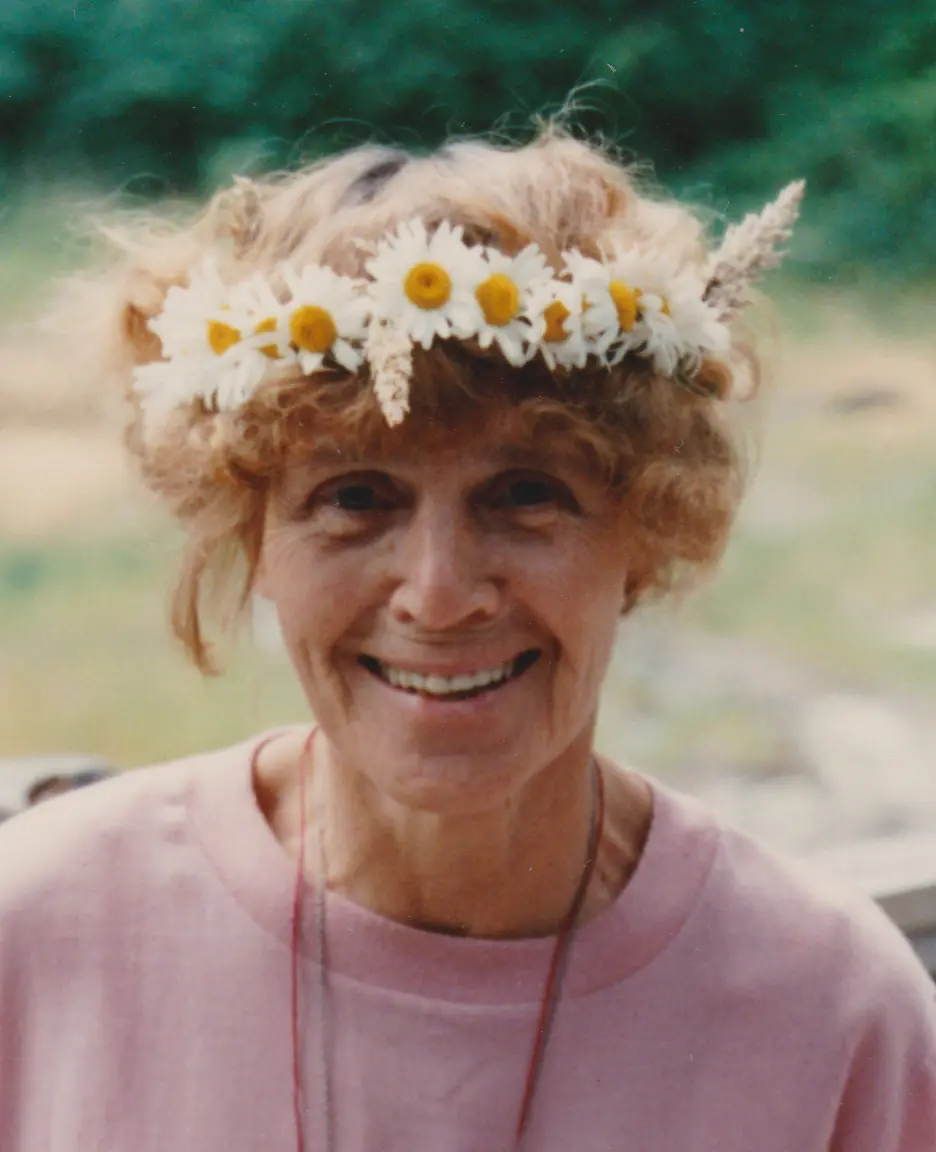
1922–2015 · United States
German-born American teacher authorised by U Ba Khin, founder of Dhamma Dena and a pioneer of women's retreats
b. 1944 · United States
American insight meditation teacher, co-founder and guiding teacher of the Insight Meditation Society
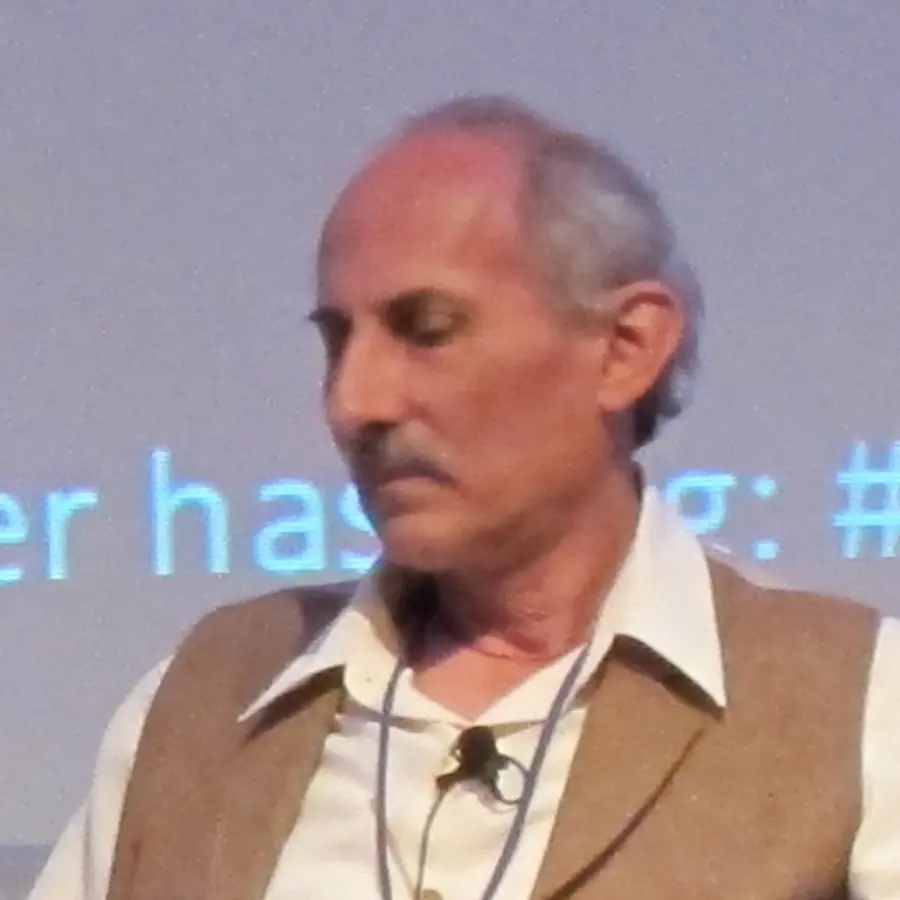
b. 1945 · United States
American teacher and psychologist, once a monk under Ajahn Chah, co-founder of IMS and founder of Spirit Rock

b. 1952 · United States
American teacher of lovingkindness (mettā) and insight meditation, and co-founder of IMS
5 centres in 2 countries. Always check dates and rules on the centre’s own site.
Barre, Massachusetts, United States · BCBS
Barre, Massachusetts, United States · IMS Forest Refuge
West Ogwell, Newton Abbot, Devon, England, United Kingdom · Gaia House Trust
Barre, Massachusetts, United States · Insight Meditation Society
Woodacre, California, United States · Spirit Rock