
Loading…
Mahasi noting · 1939–2020
भिक्षु ज्ञानपूर्णिक महास्थविर
Nepali Pali scholar-monk who interpreted for Mahasi Sayadaw and U Paṇḍita and taught at IBMC, Kathmandu.
Bhikkhu Gyanapurnik was a Nepali monk and Pali scholar who spent eleven years training in Burma and helped establish the Mahasi method of insight meditation in Nepal. He interpreted for Mahasi Sayadaw on his 1981 visit and later for Sayadaw U Paṇḍita, taught at the International Buddhist Meditation Center in Kathmandu, and in 2019 became the seventh Sangha Nayaka, the senior monk of Nepal's Theravāda order.
He was born Hiralal Shakya in Tansen, Palpa, on 6 Mangsir 1996 in the Vikram Sambat calendar, which falls in November 1939. When he was 11, his mother, Chandramaya Shakya, took him to the monk Buddhaghosa Mahasthavir and asked that he be made a monk. He studied with Buddhaghosa in Tansen and then at Sumangal Vihara in Lalitpur, learning Pali and Sanskrit and translating Pali passages into Nepal Bhasa as exercises (LeVine and Gellner).
The tribute in Kantipur by his deputy, Bhikkhu Nigrodha, says he was also encouraged by the first generation of the revival: Mahapragya, Pragyananda and Amritananda. A first attempt to take him to Burma, in 1949–50, failed when an official in Calcutta refused papers for the boy. He reached Rangoon in 1956, while the Sixth Buddhist Council was in session (LeVine and Gellner).
He was ordained a novice by Visuddhābhivaṃsa on 15 August 1956 and received full ordination (upasampadā) in Yangon on 12 April 1959 (Kantipur). He studied at monasteries in Rangoon and Mandalay and, from 1964 to 1966, worked on the Buddha Sāsana Council's Pali–Burmese dictionary.
He earned the Sāsanadhaja Dhammācariya title, a senior Pali qualification in Burma's monastic examinations. Kantipur and the Nalanda Buddhist Society date it to 1963; LeVine and Gellner give 1966. Kantipur calls him the first foreign monk to earn it, and LeVine and Gellner, writing in 2005, note that he was still the only Nepali monk who had.
Meditation took up less of those years. He told LeVine and Gellner that he spent two weeks at Mahasi Sayadaw's centre in Rangoon, Thathana Yeiktha, when he arrived in 1956 and four more weeks about ten years later, and that he should have done a three-month retreat "but I was too busy studying."
After studying Sanskrit in Varanasi and taking a master's degree at Tribhuvan University, he became a link between Burmese meditation teachers and Nepali audiences. In 1981 Mahasi Sayadaw led a retreat for monks at Buddha Vihara in Lumbini. Gyanapurnik, then resident monk at a Buddhist centre in Birmingham, England, was called back to translate (LeVine and Gellner). Kantipur says that translating Mahasi's sermons made him more widely known.
He later travelled to several countries as chief interpreter for U Paṇḍita, including to meditation retreats in France and Germany, and spent a year as head of a Buddhist temple in Nashville, Tennessee (Kantipur).
On 5 October 1984 he founded Vishwa Shanti Vihara in Min Bhawan, New Baneshwor, Kathmandu, whose stated purpose is to strengthen Theravāda education and meditation practice. He also founded Manimandap Vihara in Patko, Lalitpur, and Beluvanaram Vihara in Thecho, and set up the Vishwa Shanti Buddhist School and the Theravada Buddhist Academy to train monks and nuns. Kantipur credits him with more than 60 books written, translated or edited, including books on meditation and the Abhidhamma, and says more than 100 disciples were ordained under his leadership.
He had a part in founding the International Buddhist Meditation Center at Shankhamul, which U Paṇḍita set up in 1985 for Satipaṭṭhāna Vipassana retreats. He sat on its board, taught meditation there for some years (LeVine and Gellner), and the centre lists him among its patrons. The method taught there is described under Mahasi noting.
He led both the All-Nepal Bhikkhu Mahasangha and the Dharmodaya Sabha, the society that exiled monks had founded in 1944. On 1 Baisakh 2076 (April 2019), after the death of Bhikkhu Ashvaghosh, he became the seventh Sangha Nayaka. Myanmar's government gave him the titles Aggamahāsaddhammajotikadhaja in 2001 and Aggamahāpaṇḍita in 2013.
He died on 3 July 2020, aged 81, after years of illness (Nalanda Buddhist Society; Kantipur gives the date as 19 Asar 2077 and names diabetes). At the time a meditation centre, Vipassana Dhammarama, was being built at Badikhel near Godavari. The wider story is told in Vipassana in Nepal: a short history, and retreat centres of both traditions are listed under centres in Nepal.
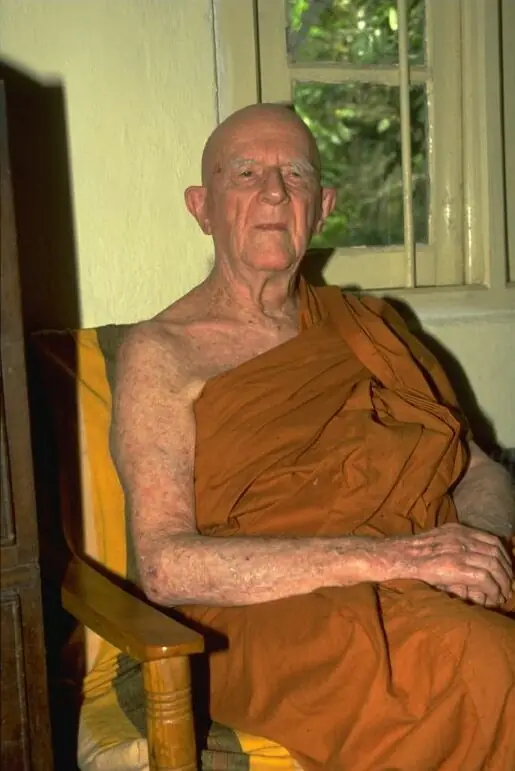
1901–1994 · Sri Lanka
German-born monk and scholar in Sri Lanka who co-founded the Buddhist Publication Society
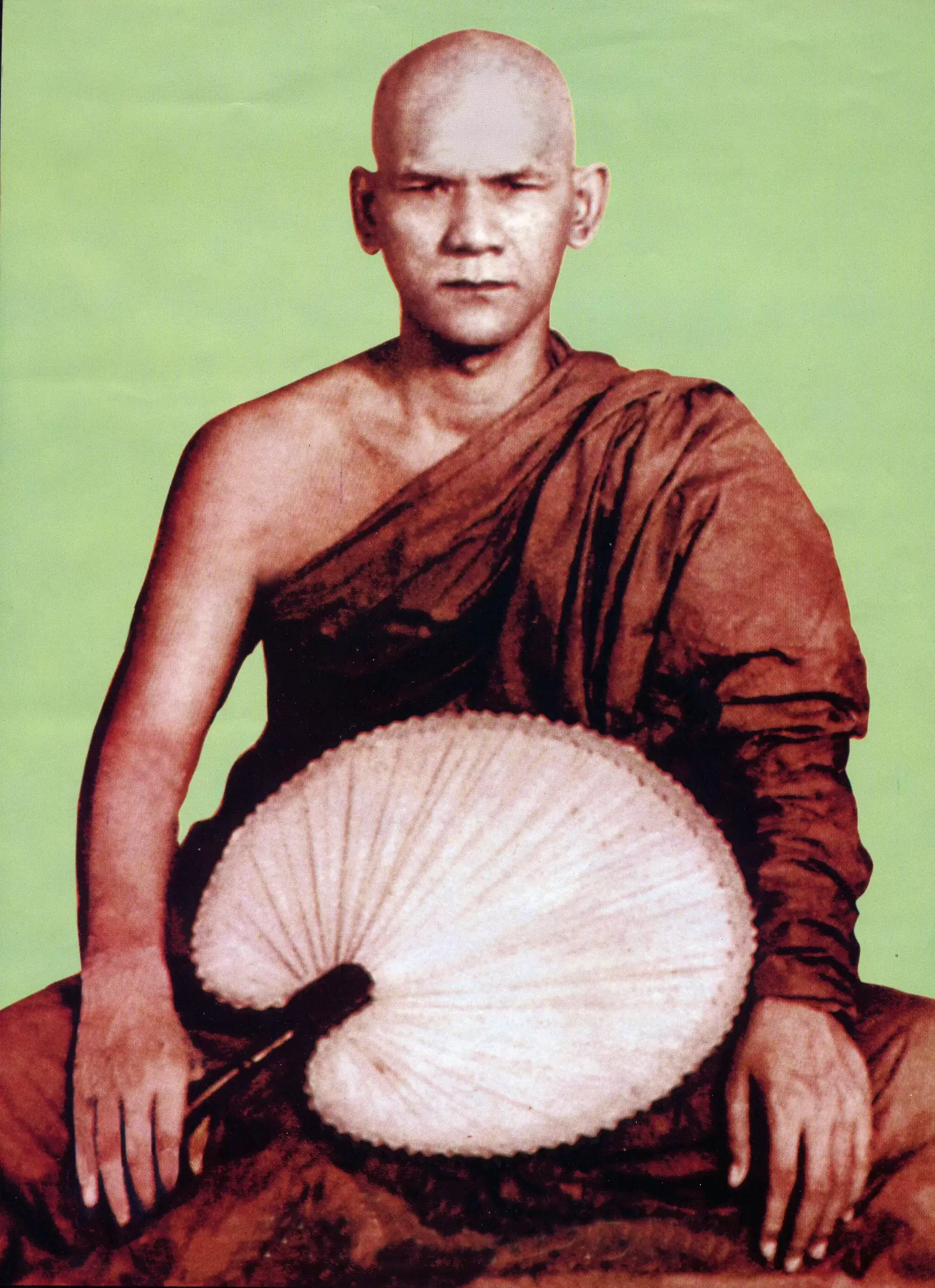
1904–1982 · Myanmar
Burmese scholar-monk whose method of mental noting spread insight meditation across Asia and the West.
1911–1989 · India
Bengali householder who became a respected Mahasi-lineage teacher and taught the founders of IMS
1914–2003 · India
Bengali Buddhist teacher trained by Mahasi Sayadaw who taught early Western insight students at Bodh Gaya
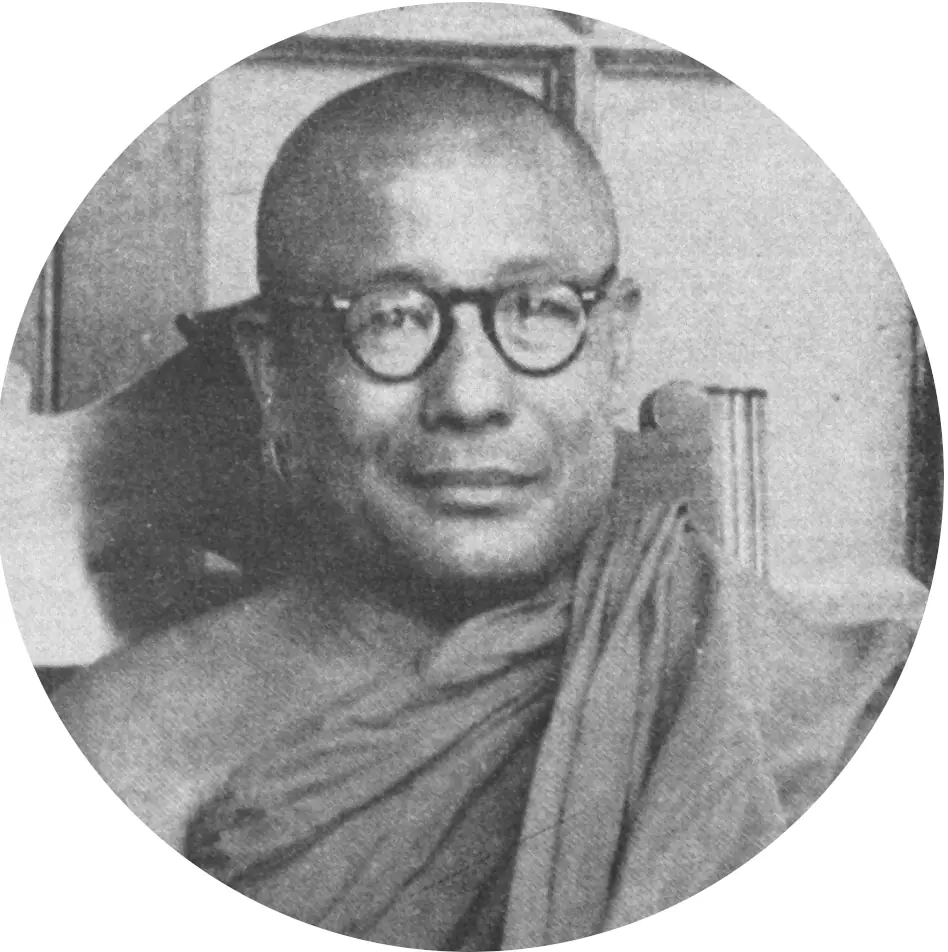
1921–2016 · Myanmar
Mahasi-lineage master known for exacting retreats, who founded Panditarama and its centre at Lumbini, Nepal.
1928–2026 · Myanmar
Mahasi-trained meditation master and head of Chanmyay Yeiktha, Yangon, who taught in many countries.