
Loading…
Mahasi noting · 1934
धम्मवती गुरुमा
Nepali nun who founded Dharmakirti Vihara, led the nuns' order and taught Vipassana to nuns and lay women.
Dhammawati Guruma, a Nepali nun, came home in 1963 after more than a decade of study in Burma and built the country's leading community of Theravāda nuns at Dharmakirti Vihara in Kathmandu. She was the first foreign national to earn Burma's Dhammācariya degree, and from the 1980s she was one of the people who brought Vipassana practice to Nepali nuns and lay women. Guruma, "mother-teacher", is how Nepali Buddhists have addressed Theravāda nuns since the first ones in the 1930s (LeVine and Gellner).
She was born Ganesh Kumari Shakya in Uku Baha, Lalitpur. Lion's Roar gives her birth year as 1934; other accounts of her age at each step differ by a year or two. Her mother, Hirathaku, introduced her to Theravāda teaching. In 1949 a Burmese monk, U Dhammawuddha, came to Sumangal Vihara in Lalitpur at the invitation of the Nepali monk Buddhaghosa and preached there for three months. When he offered to arrange a place for her in a Burmese nunnery, she left home against her father's wishes (The Rising Nepal).
At Kushinagar in India she cut off her hair, became a nun and took the name Dhammawati. With her teacher she then walked from Assam into Burma with a party of elephant handlers, and on arrival spent a night in a police cell in Rangoon because she had no papers. At about 15 she was admitted to Khemarama nunnery in Moulmein (Lion's Roar; LeVine), where she was nicknamed Manipo, "Nepali girl".
She studied the Pali canon at Khemarama for about twelve years. Burmese nuns, she later told LeVine, sat the same examinations as monks and were respected as scholars. She earned the Dhammācariya degree, the first foreign national to do so (Lion's Roar; Kantipur) and the first Nepali monastic of either sex (LeVine).
She returned to Nepal in 1963 (LeVine's 1998 article says 1964). Senior monks resisted her aim of putting nuns on an equal footing with monks and at first often tried to stop her preaching. With family money (Lion's Roar says her father bought the land; LeVine says an inheritance paid for it) she built a small nunnery in central Kathmandu, Dharmakirti Vihara, which LeVine and Gellner date to 1965, and moved in with three nuns who had come back with her from Burma. In 1964 she took over a school at Gana Baha from the monk Bhikkhu Sumangala and moved it to Dharmakirti once the building could be used (LeVine and Gellner).
From Dharmakirti she and her disciples taught religion to children and adults, translated Pali texts, published a magazine and offered Theravāda versions of Newar rites of passage (LeVine). In the 1970s Kloppenborg found the Dharmakirti nuns teaching religion, literacy and health, and giving advice on meditation. Dhammawati encouraged new nuns to finish school and found sponsors abroad for their religious training. Writing in 2025, Lion's Roar counted a dozen or so nunneries she had built across Nepal, including at Lumbini and Devadaha, and more than 350 Dhamma pamphlets and books published in Nepali languages.
In 1988 she and two other nuns received full bhikkhunī ordination at Hsi Lai Temple in Los Angeles, in the Dharmaguptaka lineage. Senior monks in Nepal declined to recognise their new status (LeVine).
She meditated little in Burma: at Khemarama it was optional and she was busy studying. In December 1972 she attended a two-day course in S. N. Goenka's tradition in Varanasi. In 1980 Daw Pannyachari, abbess of Khemarama, taught Vipassana to the Dharmakirti nuns and fifty lay devotees over two months (LeVine and Gellner).
When Mahasi Sayadaw visited in 1981, nuns were excluded from his retreat for monks, but a few were invited to his talks at Aksheshwar Mahavihar in Lalitpur, and afterwards Dhammawati accompanied him to Calcutta on his way home. After his death in 1982 his disciples came to Nepal each year to lead retreats. Dhammawati and another nun organised the tours, translated and served as assistant teachers, and between visits they taught the nuns and a growing group of lay meditators (LeVine and Gellner).
She sat on the board of the International Buddhist Meditation Center. In Lumbini she built the International Bhikkhuni Sangha (Gautami) Vihara, inaugurated in 1998, which LeVine and Gellner describe in 2005 as mainly a meditation centre where she led winter courses, chiefly for women. The method taught in this line is described under Mahasi noting.
Nepal's prime minister honoured her on her ninetieth birthday, and in 2024 she received the Outstanding Women in Buddhism Award (Lion's Roar). Her life story is told in the book Beloved Daughter: The Story of Dhammawati Guruma, published in Burmese, Nepal Bhasa and English (The Rising Nepal). For the wider history, see Vipassana in Nepal: a short history and the centres in Nepal.
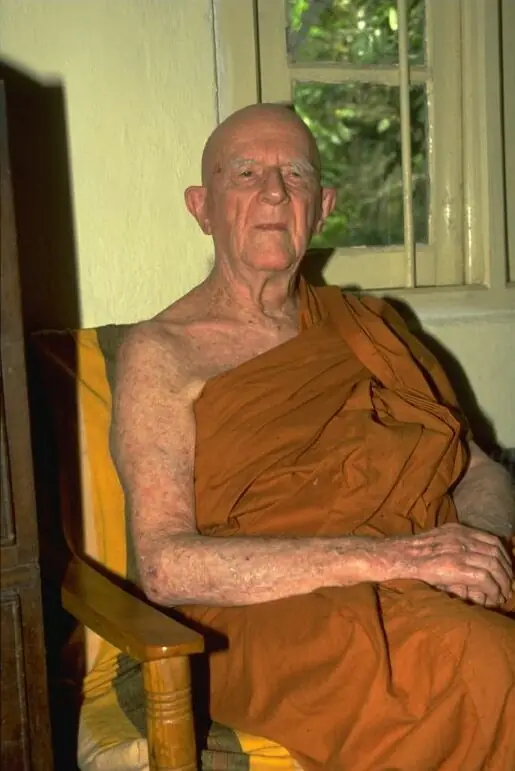
1901–1994 · Sri Lanka
German-born monk and scholar in Sri Lanka who co-founded the Buddhist Publication Society
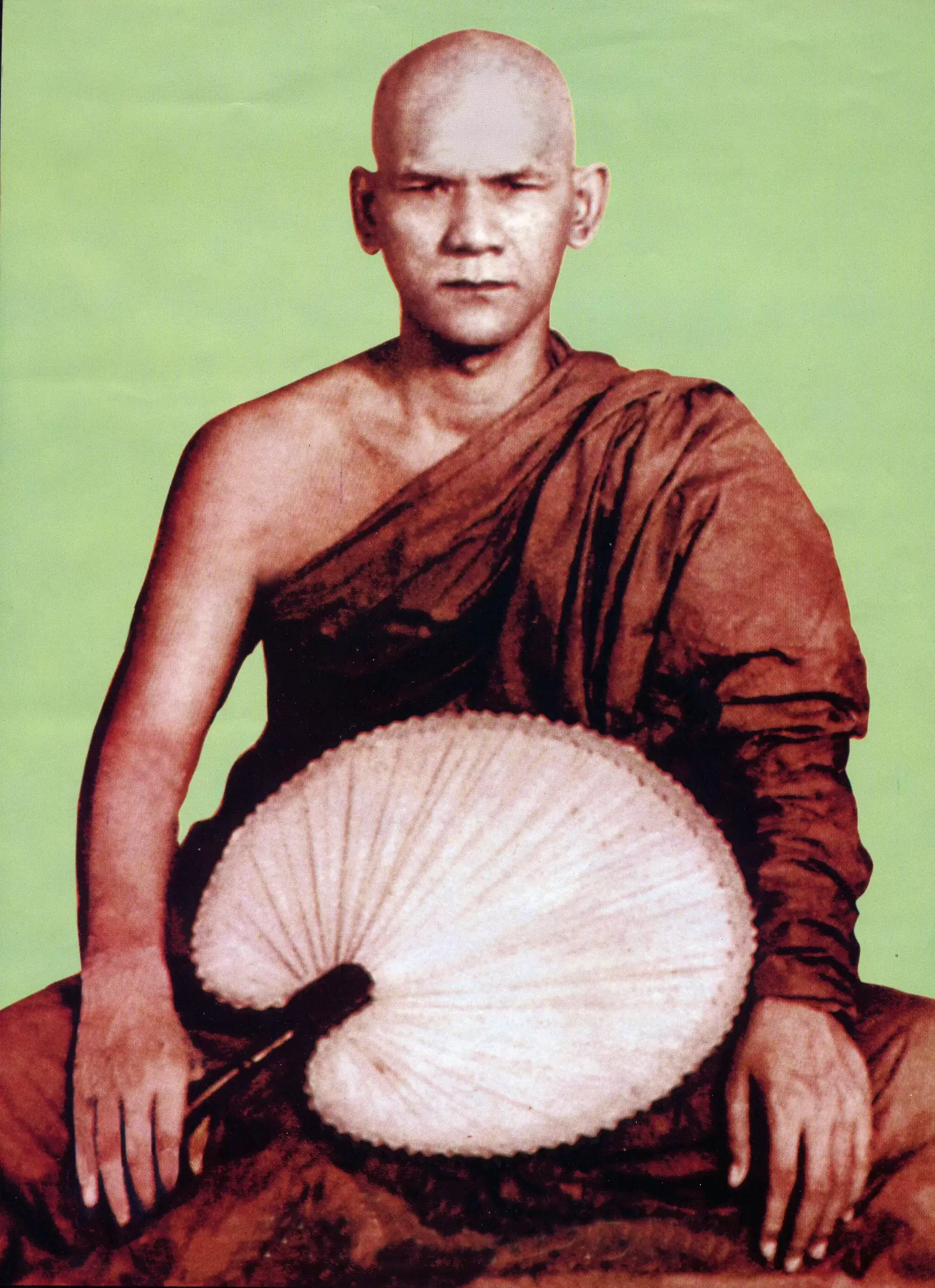
1904–1982 · Myanmar
Burmese scholar-monk whose method of mental noting spread insight meditation across Asia and the West.
1911–1989 · India
Bengali householder who became a respected Mahasi-lineage teacher and taught the founders of IMS
1914–2003 · India
Bengali Buddhist teacher trained by Mahasi Sayadaw who taught early Western insight students at Bodh Gaya
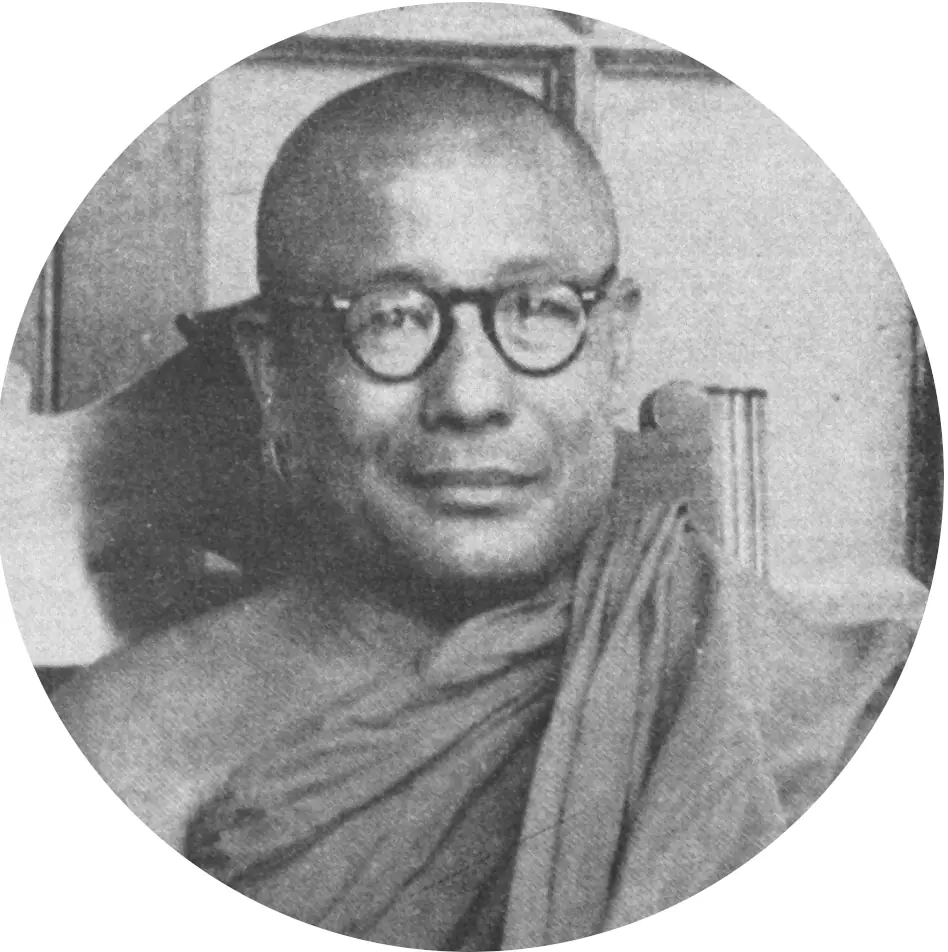
1921–2016 · Myanmar
Mahasi-lineage master known for exacting retreats, who founded Panditarama and its centre at Lumbini, Nepal.
1928–2026 · Myanmar
Mahasi-trained meditation master and head of Chanmyay Yeiktha, Yangon, who taught in many countries.