
Loading…
Goenka (U Ba Khin) · 1873–1945
Rice farmer who became one of Burma's first lay Vipassana teachers and taught Sayagyi U Ba Khin.
Saya Thetgyi was a rice farmer from a village near Yangon who became one of the first lay people in Burma to teach Vipassana. He learned the practice from Ledi Sayadaw and passed it on to Sayagyi U Ba Khin, which places him in the line of teachers behind both S. N. Goenka's courses and the International Meditation Centres.
He was born Maung Po Thet on 27 June 1873 in Pyawbwegyi, a village about eight miles south of Yangon (then Rangoon), across the Rangoon river. Later he was known as U Po Thet or U Thet, and in Burma as "Anagam Saya Thetgyi" (Vipassana Research Institute, VRI). He made his living as a farmer.
In 1903 a cholera epidemic killed his son, his daughter and other relatives. VRI's biography says that after this he left home to search for "the deathless". He first learned mindfulness of breathing (ānāpāna) from a lay teacher, Saya Nyunt, and then went to study with Ledi Sayadaw at his forest monastery near Monywa.
The sources differ on how long he stayed. VRI's page on him says he spent seven years in all with Ledi Sayadaw; VRI's page on U Ba Khin says he practised for fourteen years under Ledi Sayadaw's guidance.
In 1914, at the age of 41, he began teaching ānāpāna to about 15 people in his village. Around 1915 Ledi Sayadaw gave him his own staff and asked him to teach the Dhamma of rūpa and nāma (matter and mind) to 6,000 people. Ledi also had him instruct about 25 monks at the monastery, telling them that this layman "is capable of teaching meditation like me" (VRI).
His courses were held in a Dhamma hall (sālā) at Pyawbwegyi. They grew to as many as 200 students at a time, including monks and nuns. He kept eight precepts and ate one meal a day. He had assistant teachers, among them U Nyo, U Ba Soe and U Aung Nyunt, and he taught orally, using Ledi Sayadaw's manuals rather than writing his own (VRI). In all he taught for about 30 years (Global Vipassana Pagoda).
Spirit Rock Meditation Center calls his hall "the first non-monastic meditation center in Burma". It describes the revival Ledi began as continuing "not through a monastic successor, but through a brilliant lay disciple, Saya Thetgyi".
On 1 January 1937 one of his students taught ānāpāna to U Ba Khin, then a government accountant in Rangoon. Within a week U Ba Khin travelled to Pyawbwegyi to sit a ten-day course with Saya Thetgyi (VRI).
U Ba Khin went on to become Accountant General of independent Burma, on 4 January 1948, and a teacher in his own right. He opened the International Meditation Centre in Rangoon in 1952 (VRI).
By 1945, VRI records, Saya Thetgyi had given away his property. He kept only 50 acres of paddy land, whose income was to maintain the Dhamma hall. He died in Rangoon that year and was cremated on the northern slope of the Shwedagon Pagoda. U Ba Khin and his students later built a small pagoda at the cremation site. The sources used here do not give the exact date of his death; Spirit Rock gives his years as 1873–1945.
Two organisations trace their teaching through him today, and on both sides the line runs through U Ba Khin. One is Vipassana as taught by S. N. Goenka, the worldwide network of ten-day courses started by S. N. Goenka. The other is the International Meditation Centres, led after U Ba Khin's death by Mother Sayamagyi. The guide The 10-day course, day by day describes a ten-day course as Goenka's tradition runs it.
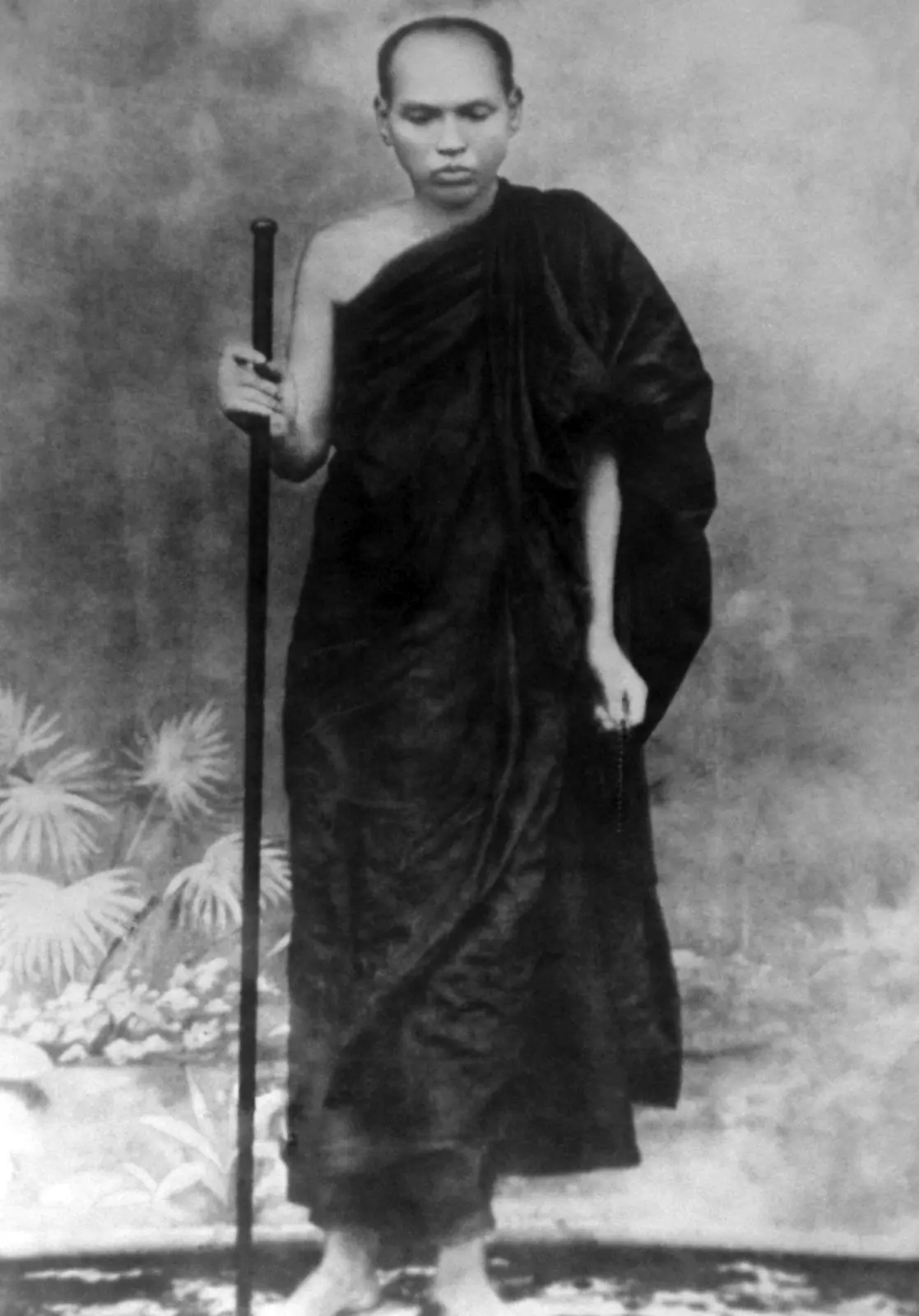
1846–1923 · Myanmar
Burmese monk-scholar who wrote Dhamma for ordinary readers and opened Vipassana practice to lay people.
1899–1971 · Myanmar
Accountant General of Burma and lay teacher who designed the ten-day Vipassana course and taught S. N. Goenka.
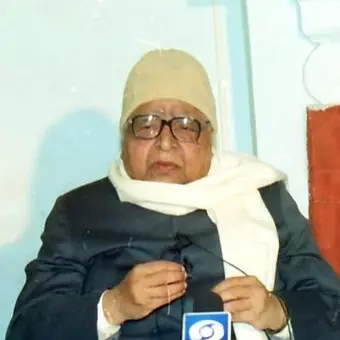
1924–2013 · Myanmar / India
Burmese-born Indian teacher who took U Ba Khin's Vipassana to India in 1969 and spread free ten-day courses.